Geotube

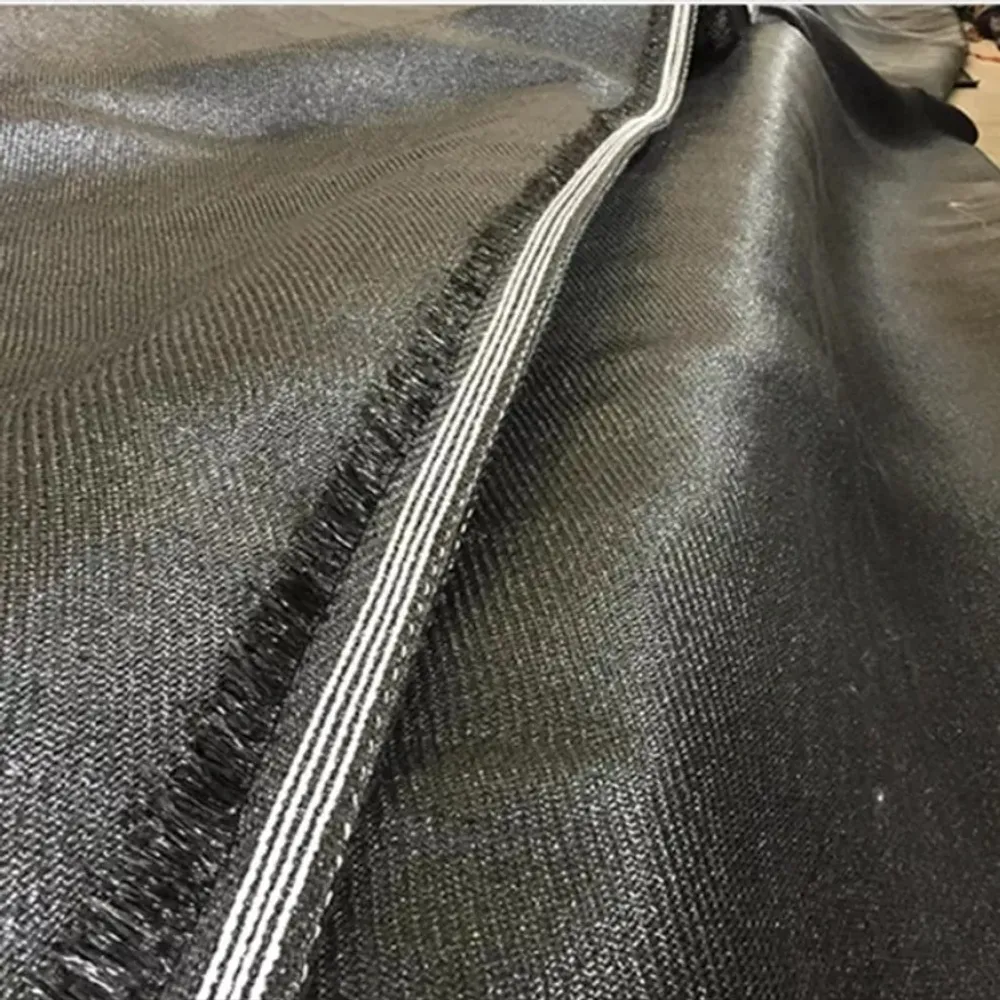
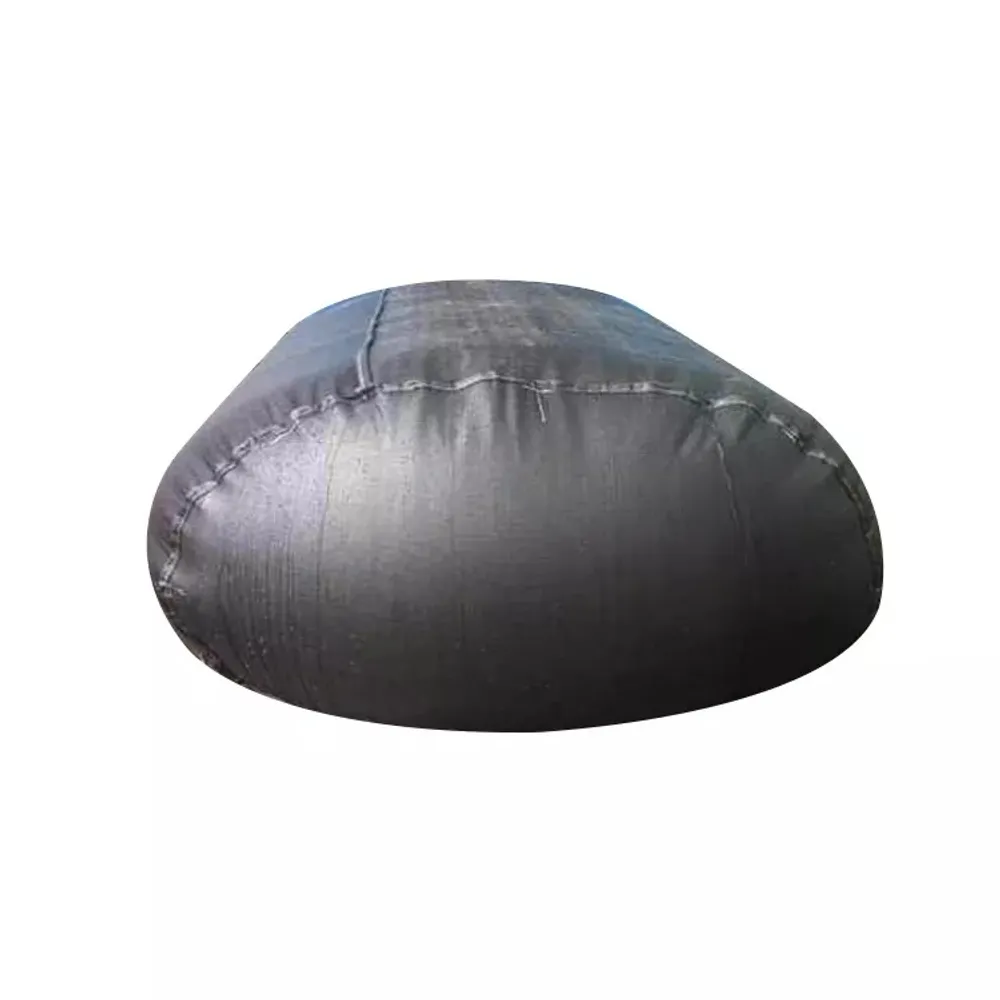
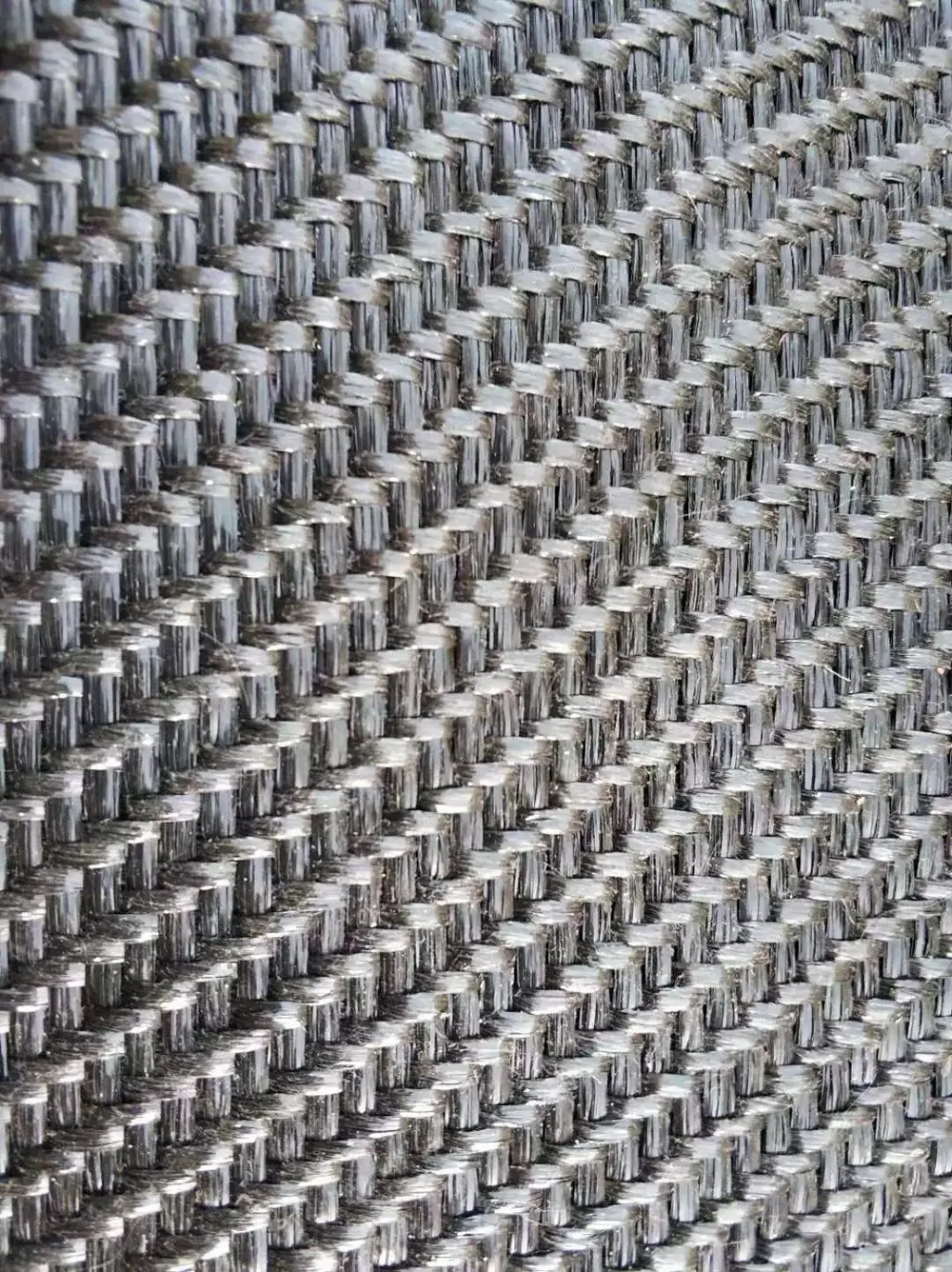
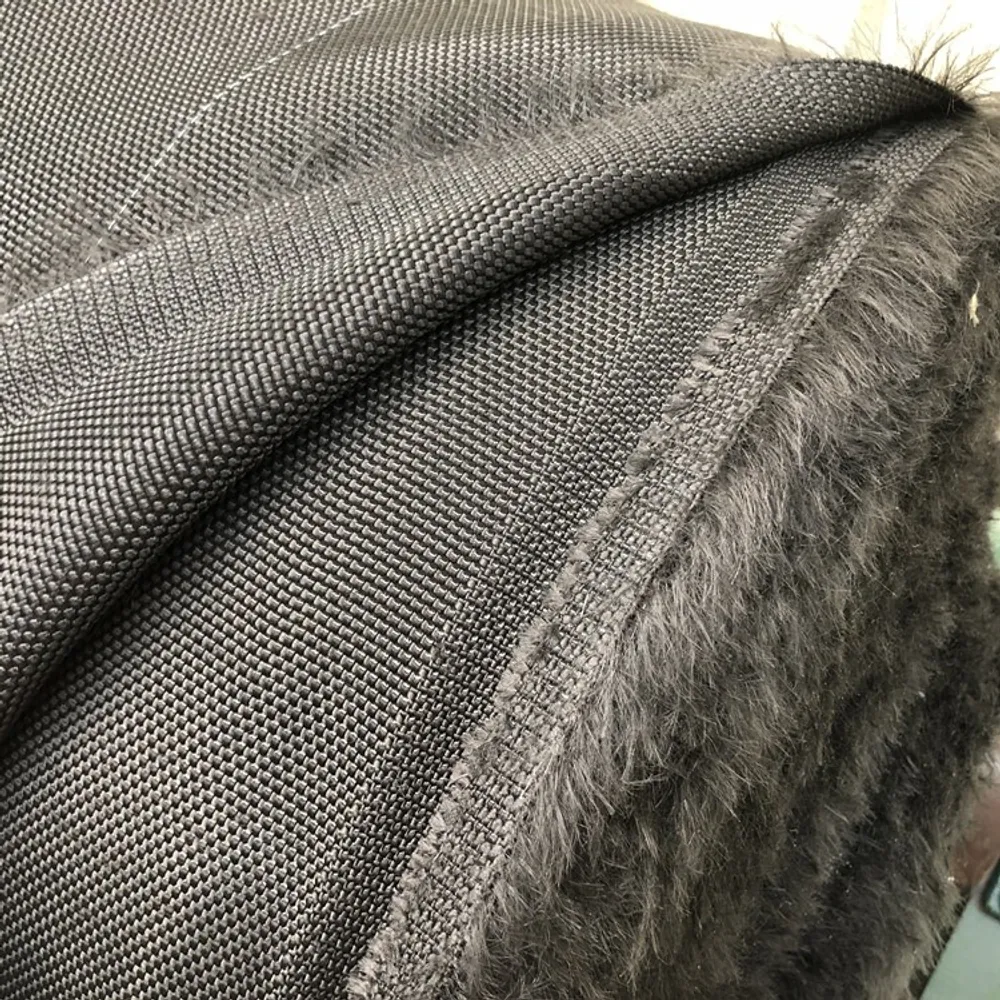
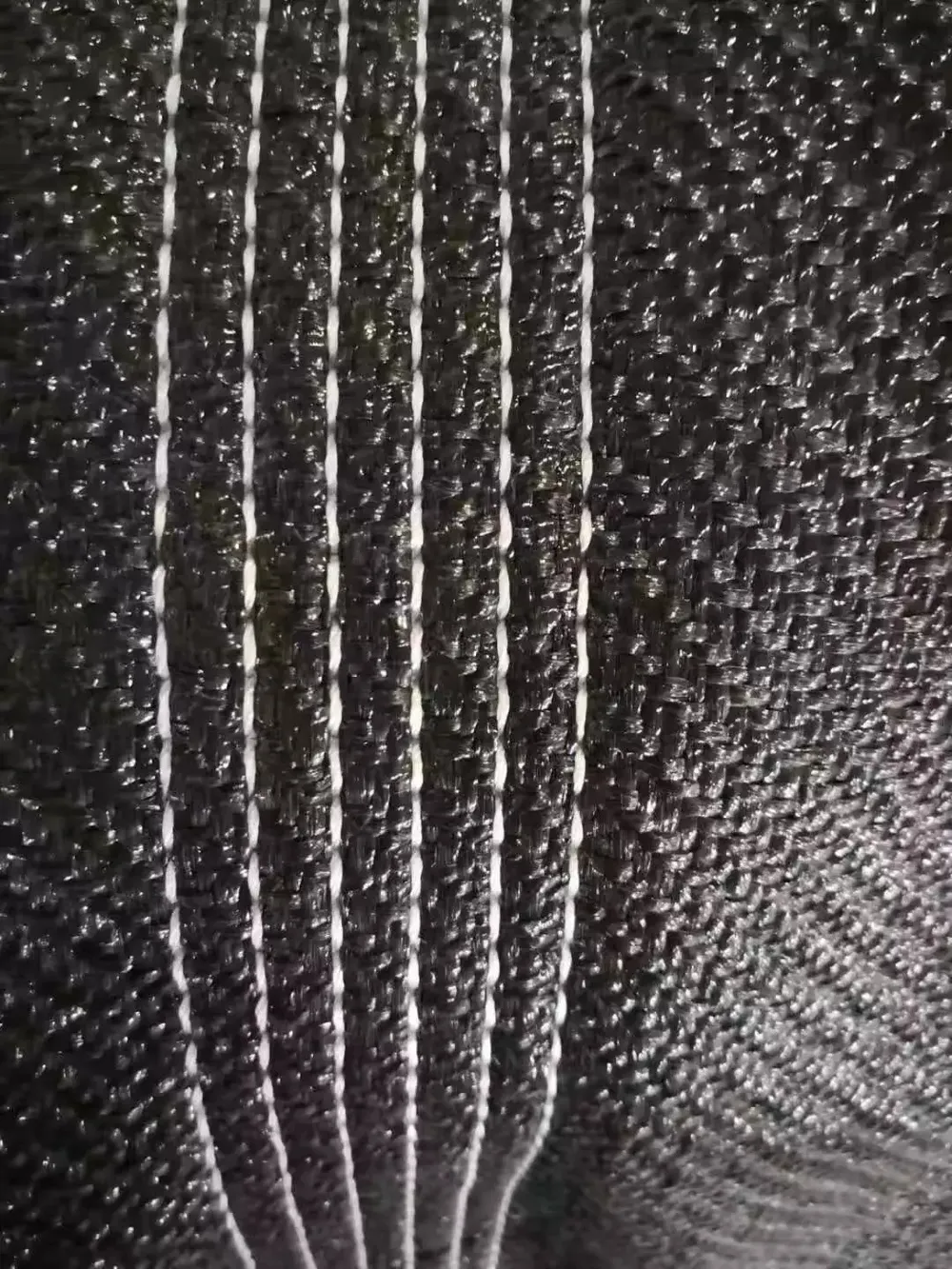
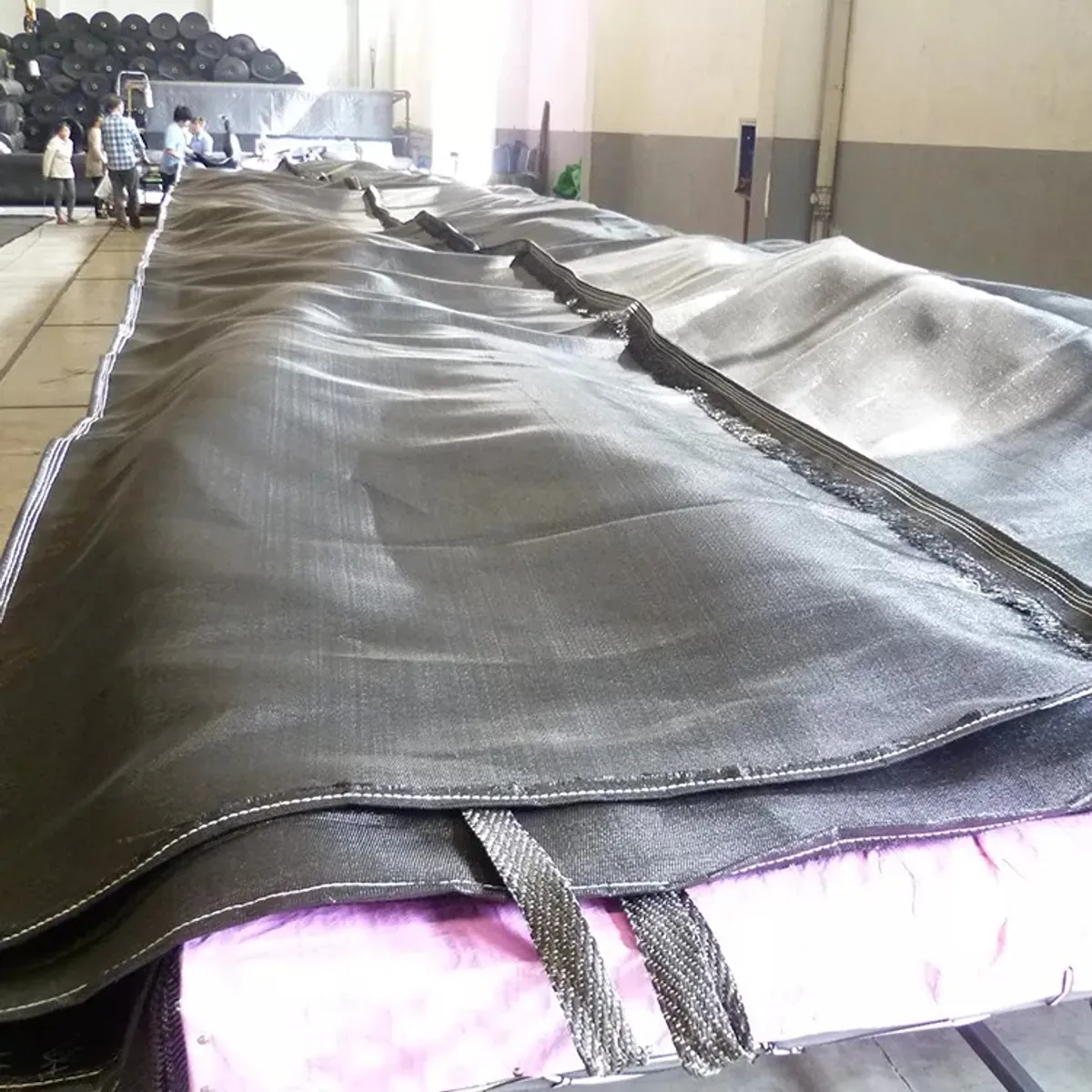
SIGMA Tube is a large prefabricated tubular container sewn from high-strength woven geotextile, used for sludge dewatering, dredge-material containment and shoreline / marine construction. It is prefabricated with high-strength seams into tubular or bag-like forms with filling ports for site filling: slurry is pumped in, water filters through the fabric walls and solids are retained inside. The geotextile tube optimizes solids retention and effluent discharge rate and quality, treating high flow rates with high-quality filtrate. Custom-sized to save land space, this dewatering geotube is an efficient, environmentally friendly solution for sludge dewatering and erosion control.

Woven geotextileDewateringCustom-sized
Geotube

What a geotube does

A geotube — or geotextile tube — is a large dewatering container prefabricated using high-strength, quality seaming techniques into tubular, bag-like or other forms with filling ports for site filling. Slurry is pumped in; water filters out through the woven geotextile walls while solids stay contained inside. SIGMA Tube is designed to optimize solids retention and the effluent discharge rate and quality, making this dewatering geotube a highly efficient and environmentally friendly solution for a range of sludge dewatering applications.

The three-stage dewatering process

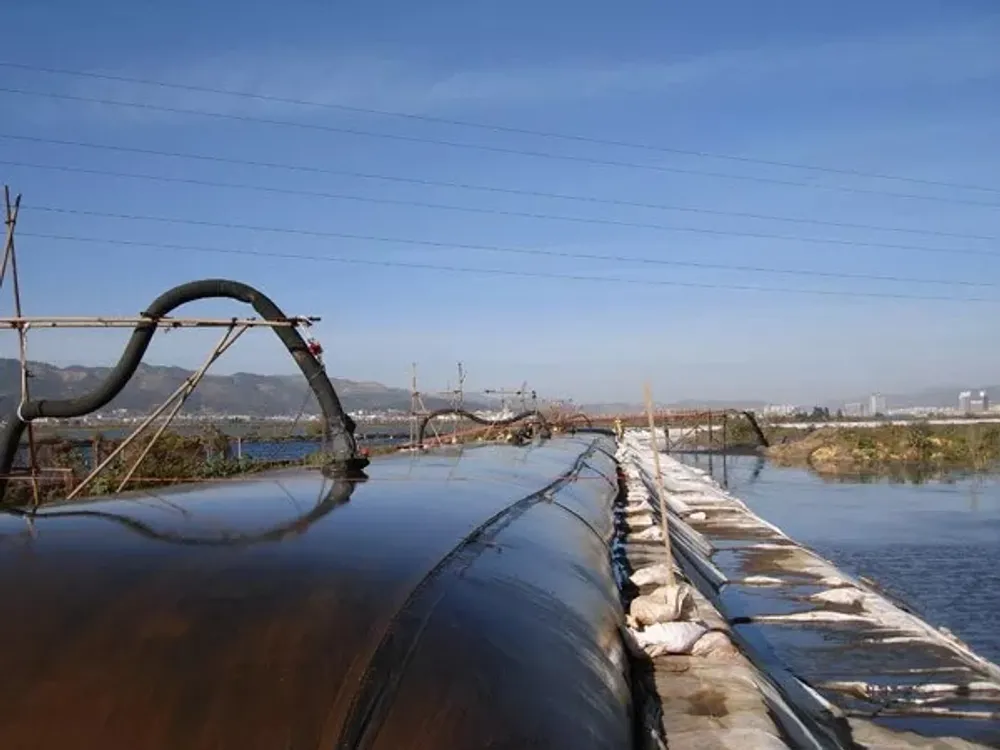
Dewatering with a geotube follows a simple cycle. First the tube is filled with processed slurry, confining the solids inside. Second, the geotube lets water drain through the fabric walls as clean filtrate while still retaining the solids. Third, desiccation continues to reduce the water content of the consolidated cake over the following days and weeks. The dried solids can then be deposited, combusted or land-applied. Repeated fill cycles can be run into the same tube, so geotextile dewatering tubes handle large volumes from a small footprint.

Why buyers choose the geotube

The geotextile tube is easy and fast to install and fill, treats high flow rates and delivers a high quality of filtrate, with considerable savings on cost and lower environmental impact. The containers are custom-sized to save land space and are ideal for sites where space is a constraint. The defining specification is the woven geotextile fabric — its tensile, seam, opening size and flow properties — while the finished tube circumference, length and fill volume are set per project. Smaller geotube bags and geo bags suit polishing or low-volume jobs; full-size tubes handle municipal and dredging quantities.

Choosing a fabric grade

The right grade depends on the fill. A standard grade (450 / 625 lbs/in wide-width tensile, 0.43 mm AOS) suits fine municipal and lagoon sludge, while a heavy grade (1000 / 1000 lbs/in) is specified for coarse dredge spoil, marine cores and larger tube circumferences where the fabric carries more fill pressure. Apparent opening size and water flow rate are matched to the particle size so the geotextile dewatering bags retain solids without blinding off, and the factory seam strength is rated to the same duty as the fabric.

Applications and projects

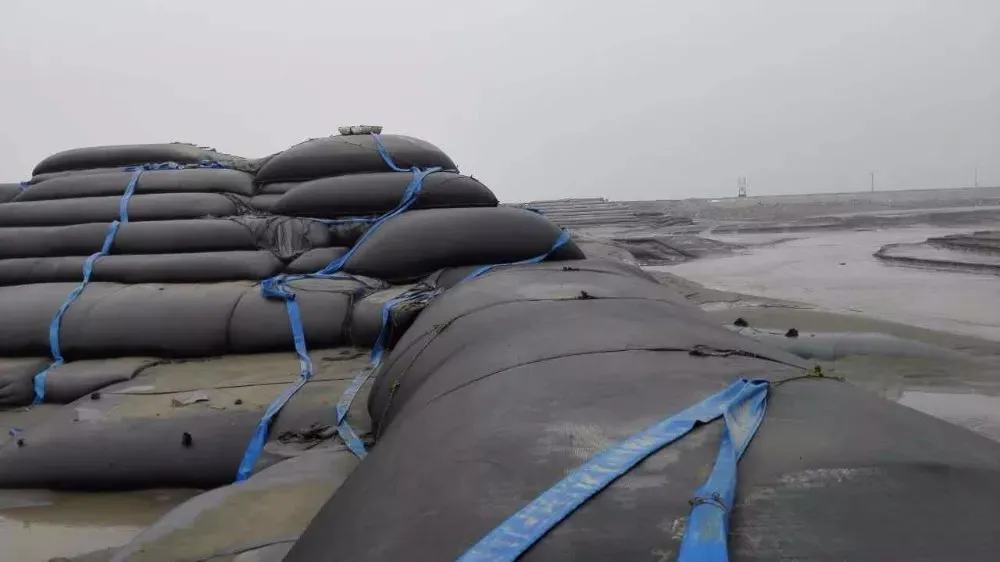
Geotubes are used for sludge and slurry dewatering, dredge-material containment and dewatering, lagoon and wastewater solids dewatering, and as cores for shoreline restoration, breakwaters and bunds. Used as geotubes for erosion control they form stable, sand-filled marine structures; used as geotubes for sludge dewatering they cut haulage by drying solids in place. The same woven technology underlies our broader woven geotextile range, and smaller sewn units overlap with our geobag products.

Sizes and supply

Finished tube dimensions are custom — diameters run from 1.0 to 5.0 m, circumferences from 5 to 40 m and standard lengths of 20, 30, 50 or 100 m, sized to the site and pump capacity, with filling ports spaced along the top. As a manufacturer we build geotubes to order and quote geotube price ex-works — send the application, expected solids and site footprint for pricing. Folded flat, geotubes ship compactly by sea, so we export worldwide on FOB or CIF terms.

More views

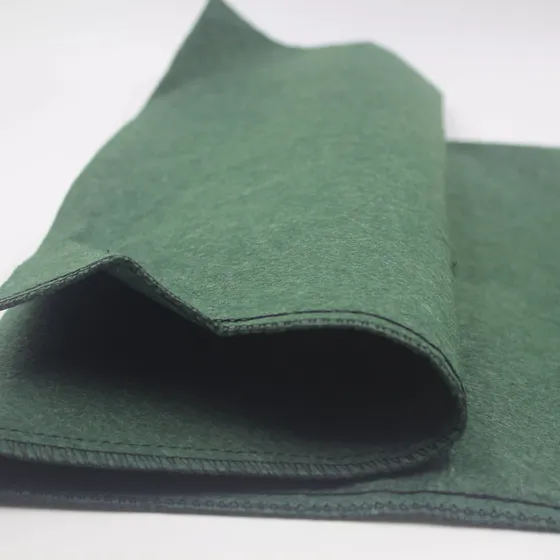
Geotube — More viewsGeotube — More viewsGeotube — More viewsGeotube — More views

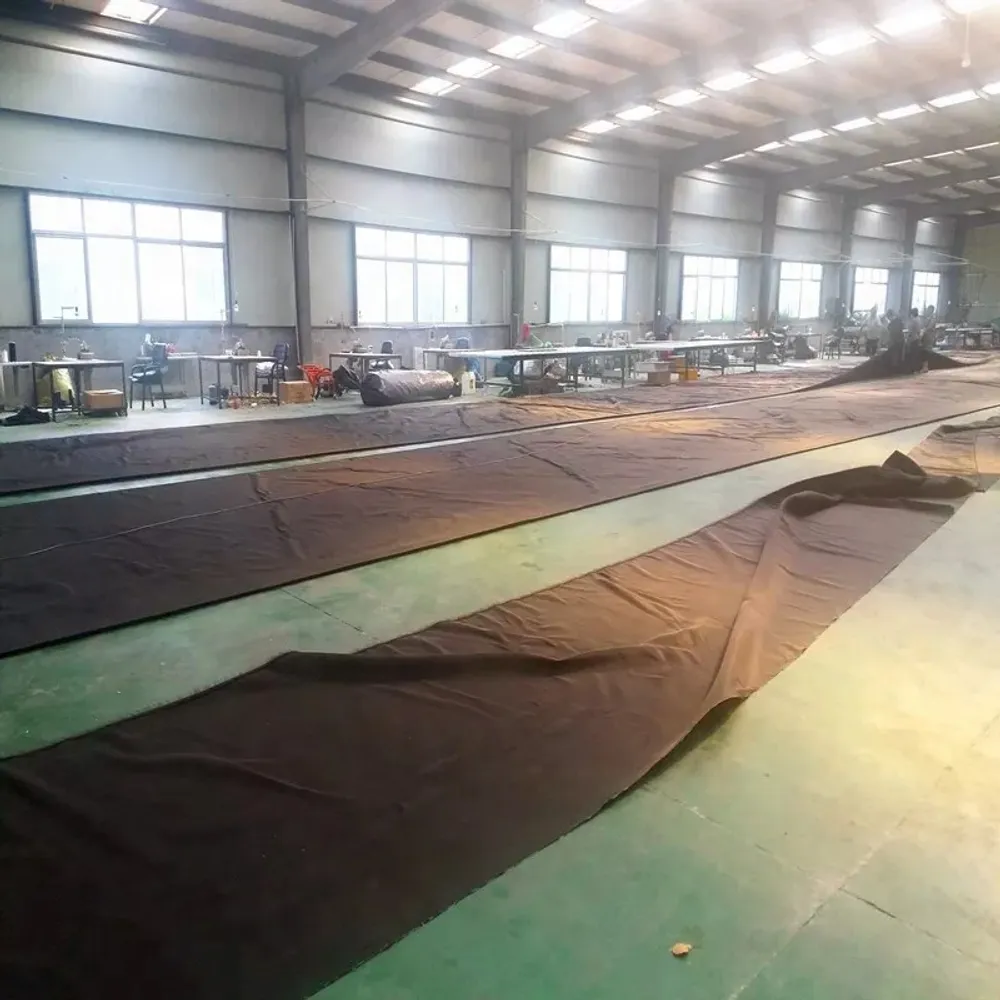
Manufacturing

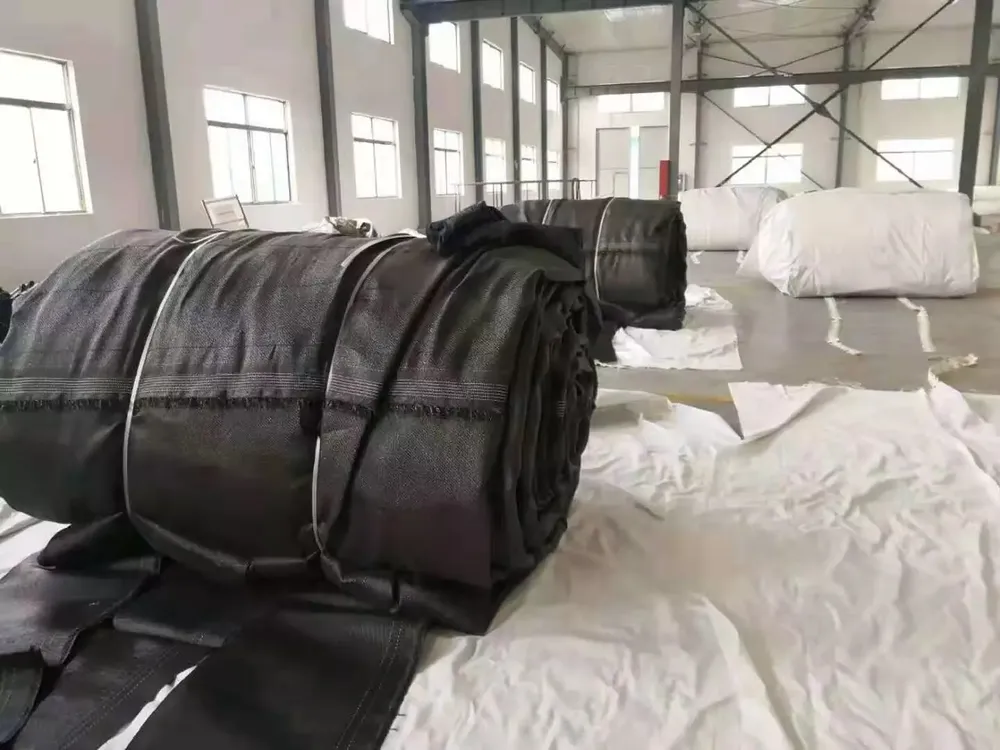
Geotube — ManufacturingGeotube — ManufacturingGeotube — ManufacturingGeotube — Manufacturing

Shipping & packaging

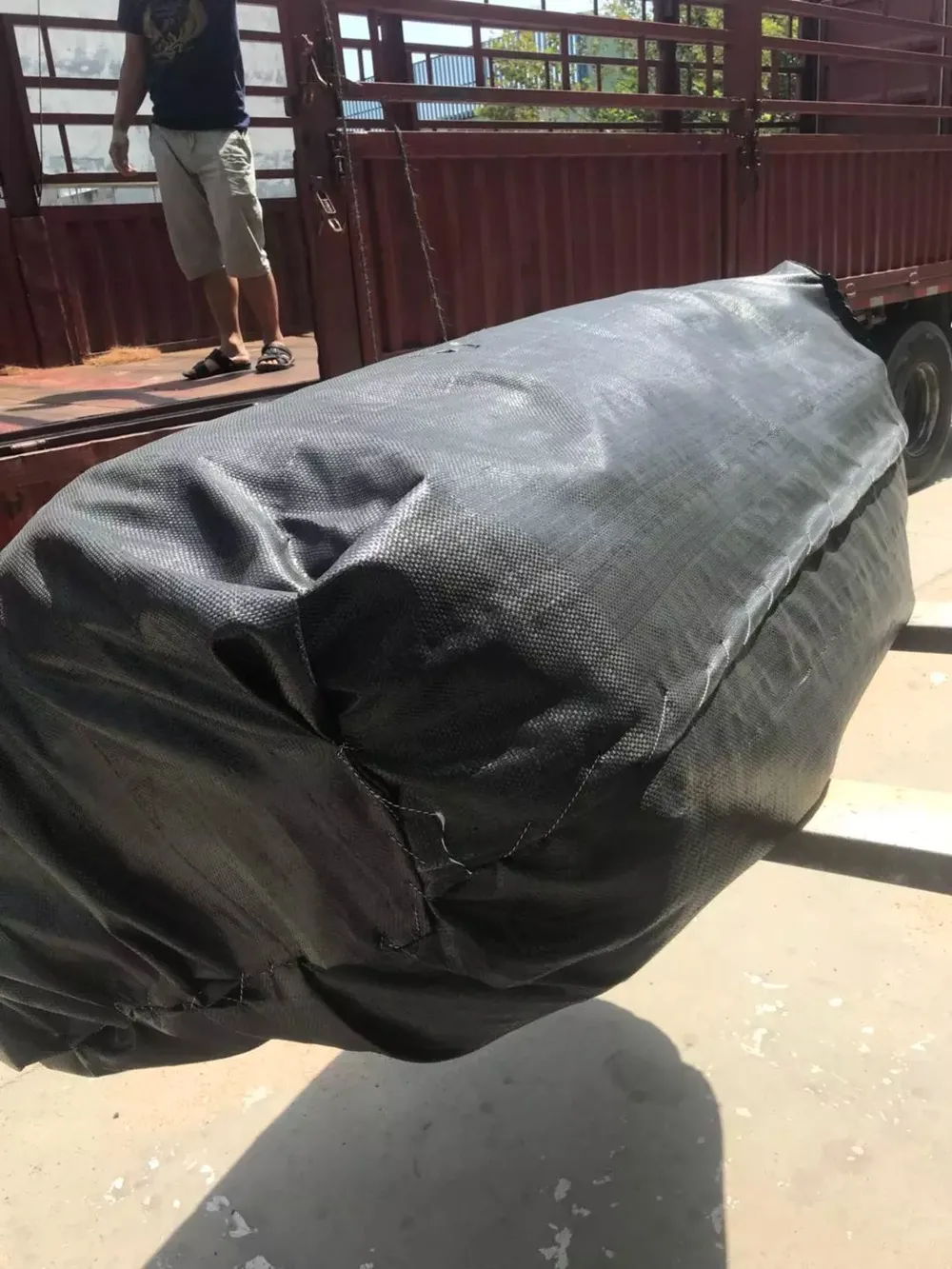
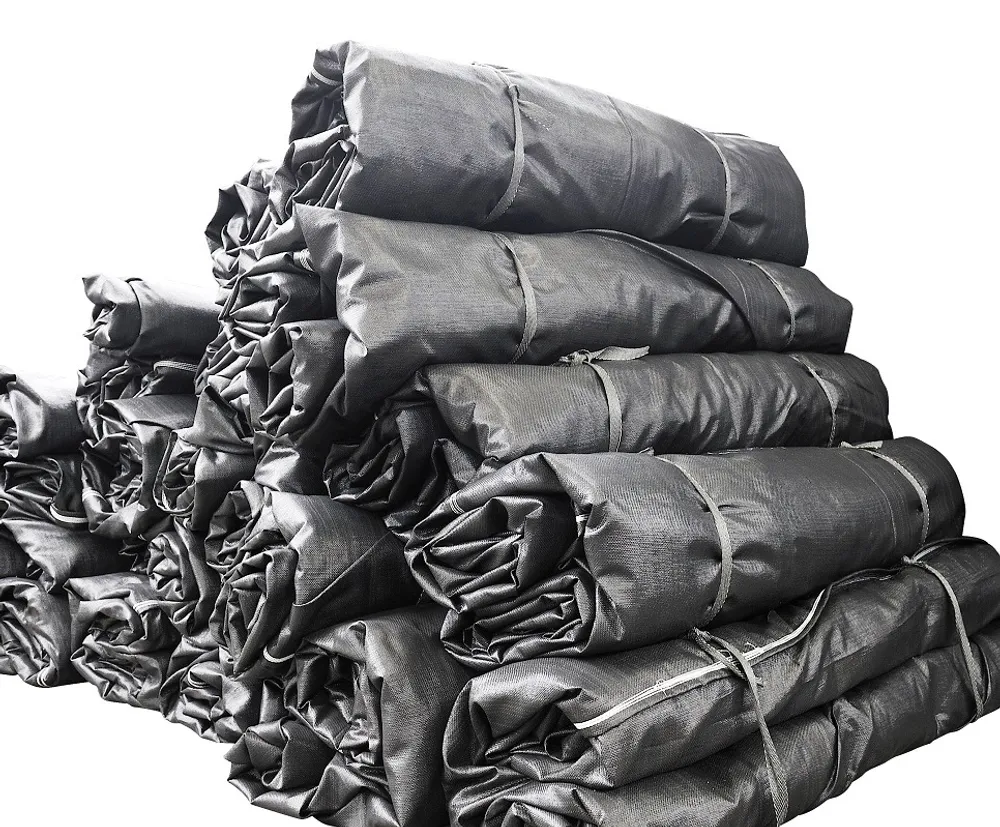
Geotube — Shipping & packagingGeotube — Shipping & packagingGeotube — Shipping & packagingGeotube — Shipping & packaging

Key features

  • High-strength woven geotextile with high-strength factory seams
  • Optimized for high solids retention and high-quality filtrate
  • Treats high flow rates — fast, efficient dewatering
  • Easy and fast to install and fill on site
  • Custom sizes and volumes to suit constrained sites
  • Lower environmental impact and considerable cost savings

Ideal for

  • Sludge and slurry dewatering
  • Dredge-material containment and dewatering
  • Shoreline restoration and marine construction structures
  • Lagoon and wastewater solids dewatering
  • Erosion control and bund / breakwater cores
  • Municipal and industrial wastewater solids handling

Specifications

Geotube — woven dewatering geotextile fabric properties (MARV) and fabricated tube dimensions. Values verbatim from the source datasheet; "On request" kept where the source has no value.

PropertyTest MethodUnitStandard GradeHeavy Grade
Wide-Width Tensile Strength (MD / CD, ultimate)ASTM D4595kN/m (lbs/in)78.8 / 109.4 (450 / 625)175 / 175 (1000 / 1000)
Wide-Width Tensile Elongation (MD / CD)ASTM D4595%20 (max.)20 (max.)
Factory Seam StrengthASTM D4884kN/m (lbs/in)70 (400)88 (500)
CBR Puncture StrengthASTM D6241N (lbs)8,900 (2,000)On request
Apparent Opening Size (AOS)ASTM D4751mm (US Sieve)0.43 (No. 40)0.60 (No. 30)
Water Flow RateASTM D4491l/min/m² (gal/min/ft²)813 (20)815 (20)
Pore Size O₅₀ (typical)ASTM D6767micron80On request
Pore Size O₉₅ (typical)ASTM D6767micron195On request
UV Resistance (% retained, 500 hr)ASTM D4355%8085
Mass per Unit Area (typical)ASTM D5261g/m² (oz/yd²)585 (17.3)1,119 (33)
Thickness (typical)ASTM D5199mm (mils)1.8 (70)On request
  • Fabricated tube dimensions are custom-sized to the project. Standard manufactured ranges: diameter 1.0–5.0 m; circumference 5–40 m; length 20 / 30 / 50 / 100 m. Available woven-fabric tensile grades (MD / CD): 70/105, 120/120, 200/200, 250/250, 300/300 and 350/350 kN/m. Filling ports are spaced along the top and sized to pump capacity; tubes use factory circumferential / longitudinal high-strength seams.

Frequently asked questions

How does a geotube dewater sludge?

Slurry is pumped into the woven geotextile tube through filling ports. Water passes out through the fabric walls as clean filtrate while the solids are retained inside, gradually consolidating. The fabric is engineered for high solids retention with a high effluent discharge rate, so geotubes for sludge dewatering handle high flow rates efficiently.

What fabric grade should I specify?

We offer a standard grade (450 / 625 lbs/in wide-width tensile) and a heavy grade (1000 / 1000 lbs/in) of woven geotextile. The right grade depends on the fill solids, tube size and whether the geotube is used for dewatering, erosion control or marine structures — tell us the application and we will advise.

What sizes do geotubes come in?

Finished geotube dimensions are custom — there is no single public standard for the tube. Diameters typically range from 1.0 to 5.0 m, circumferences from 5 to 40 m and standard lengths are 20, 30, 50 or 100 m, sized to your project and pump capacity. The fabric specification is fixed; the tube is built to order.

How much does a geotube cost?

Geotube price depends on the fabric grade, tube circumference and length, number of filling ports and quantity. As the manufacturer we quote ex-works — send the application, expected solids and site footprint and we will return a geotube price the same business day.

How is a geotube installed and filled?

The empty tube is laid out flat on a prepared, lined pad, then slurry is pumped in through the filling ports spaced along the top. Water drains through the fabric as the tube fills and consolidates; geotube installation needs only a pump and a containment area, with no heavy equipment. We can advise on pad sizing, polymer conditioning of the slurry and port spacing for your pump capacity.

What is the difference between a geotube and a geobag?

They are the same family of woven-geotextile dewatering containers at different scales. A geotube is a large prefabricated tube for high-volume sludge dewatering, dredge containment and marine structures, while a geobag (geo bags for dewatering) is a smaller sewn bag for lower-volume or polishing duty. We supply both — tell us the volume and we will recommend the format.

Can geotubes be shipped by sea for export?

Yes. Geotubes fold flat and pack compactly, so they load efficiently into containers and we export geotextile dewatering tubes worldwide. We quote ex-works by default and can arrange FOB or CIF to your port — send the tube size, fabric grade and destination for sea-freight pricing.

Video

Request a quote for the Geotube

Tell us quantity, destination port, and any questions — we reply within one business day.

Related products

Geobag Geobag / Geotube

Geobag

Geobag — a geotextile bag sewn from woven or needle-punched PP/PET fabric, filled with sand or soil for shoreline protection, dredging and dewatering.

  • Woven / nonwoven PP-PET fabric
  • Sand fill · custom sizes
  • Containment · dewatering
Get a quote →
HDPE Geomembrane Geomembrane

HDPE Geomembrane

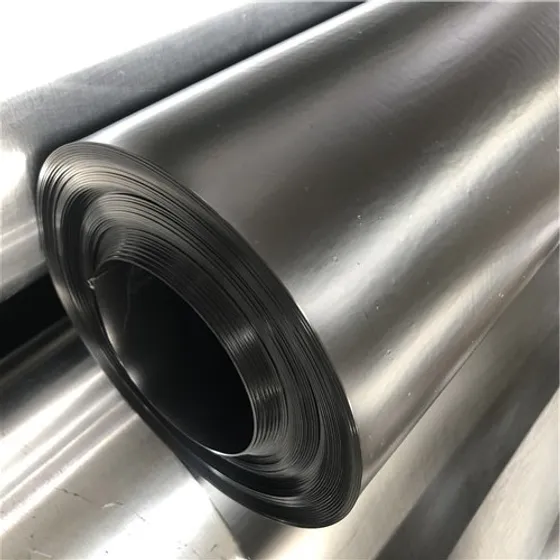
Smooth HDPE geomembrane liner to GRI-GM13 — an impermeable high density polyethylene pond liner for landfill, water and containment, 0.75–3.0 mm.

  • GRI-GM13
  • 0.75–3.0 mm (30–120 mil)
  • Smooth · Black
Get a quote →
PVC Geomembrane Geomembrane

PVC Geomembrane

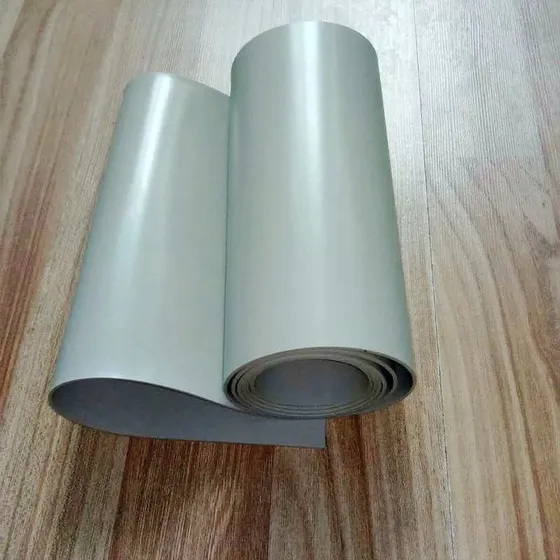
Flexible PVC geomembrane and PVC pond liner to ASTM D7176 / PGI-1104 — a non-reinforced polyvinyl chloride liner, 10–60 mil, for ponds and containment.

  • ASTM D7176 / PGI-1104
  • 10–60 mil (0.25–1.52 mm)
  • Gray or black · Smooth/embossed
Get a quote →