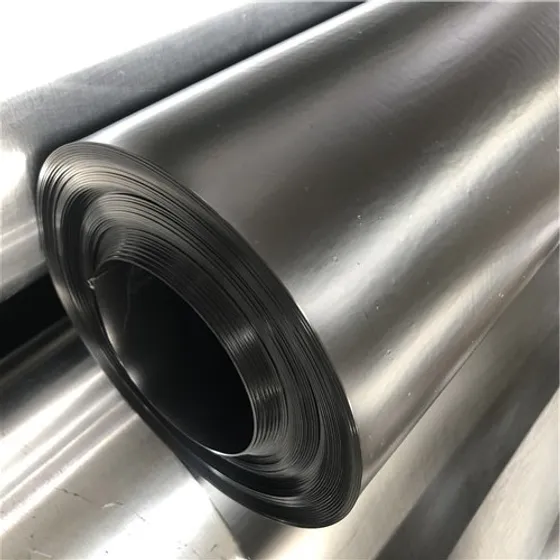
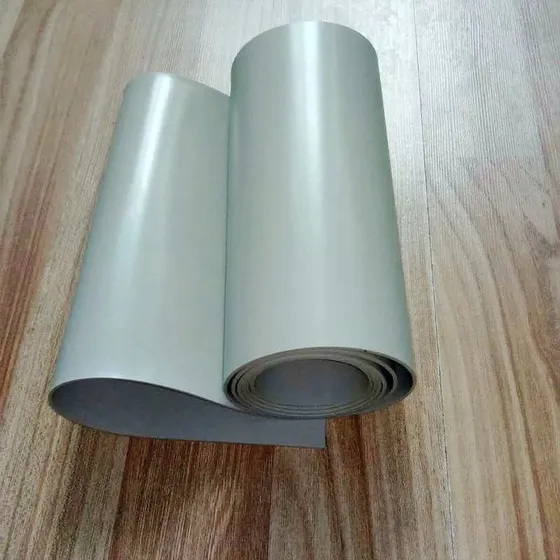
What is a PE-laminated GCL?
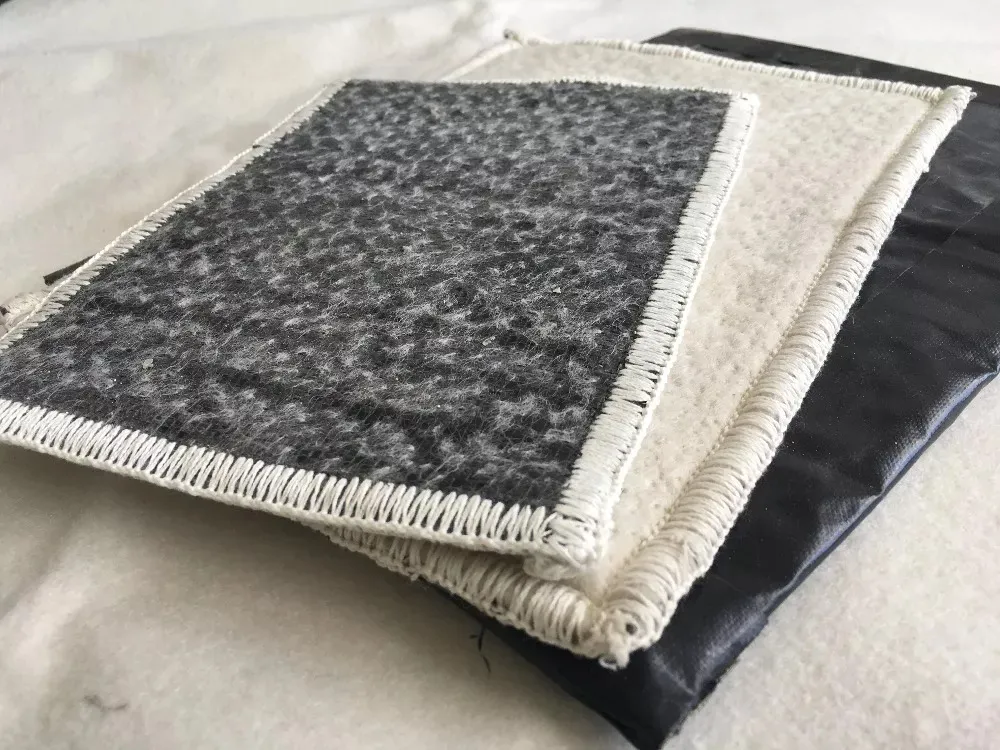
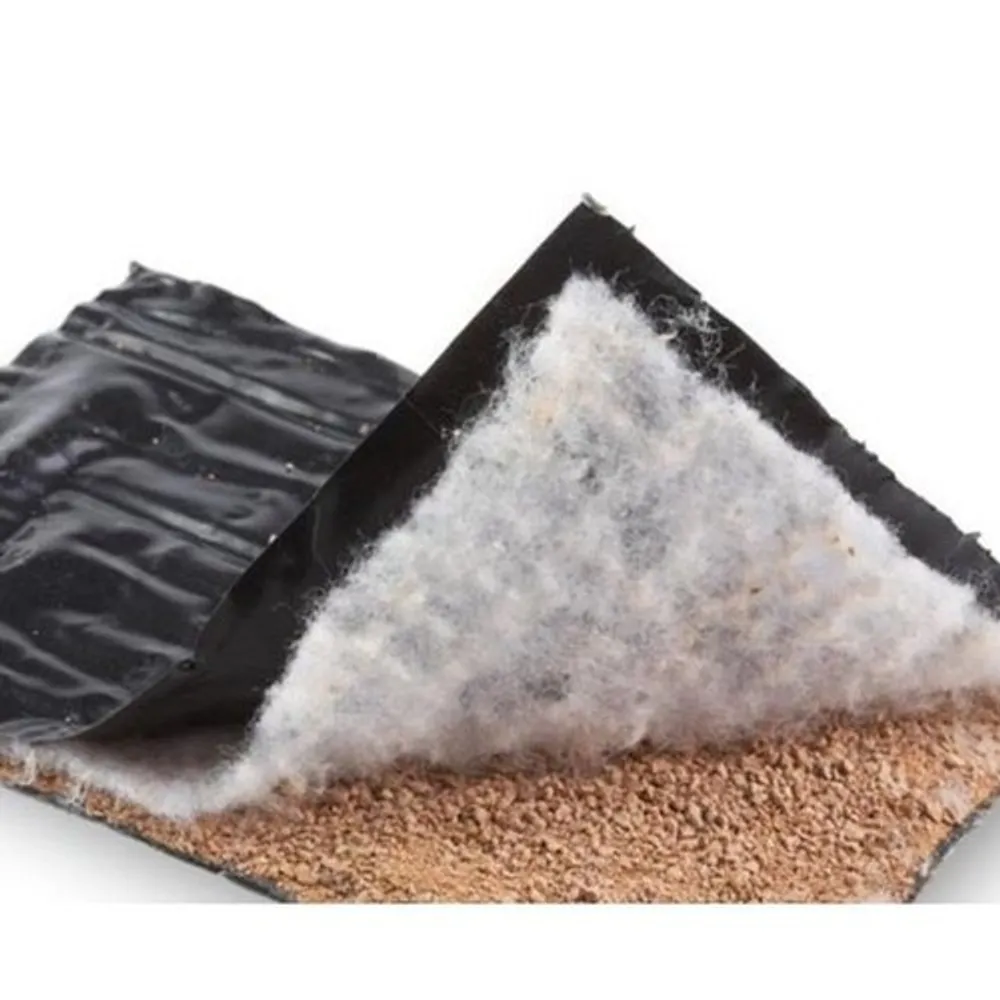
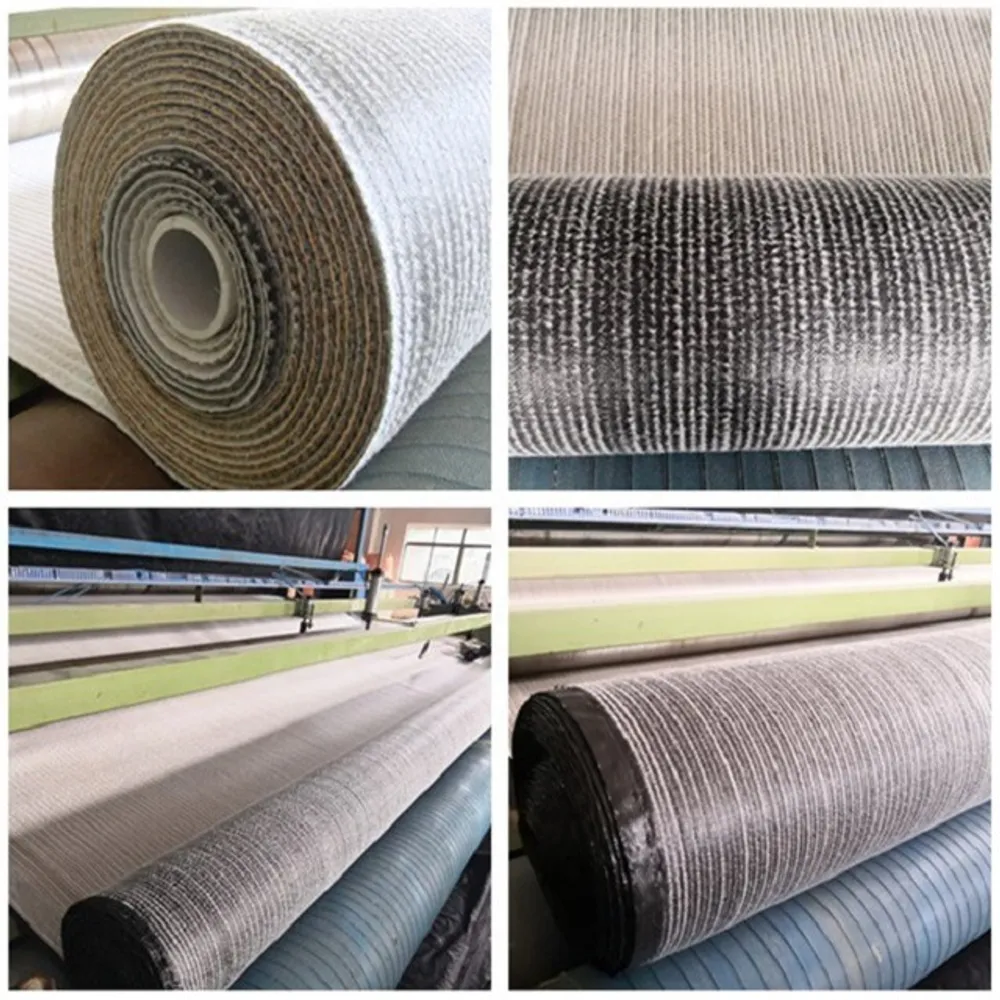
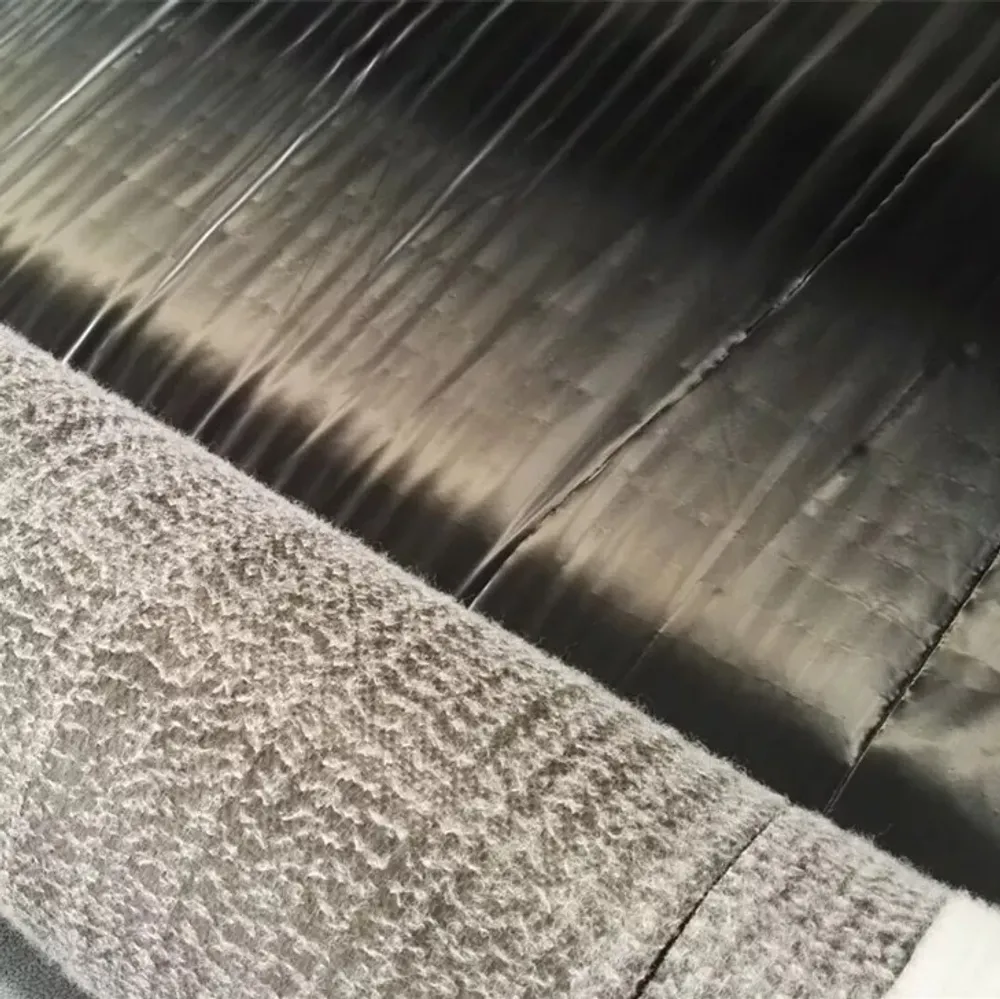
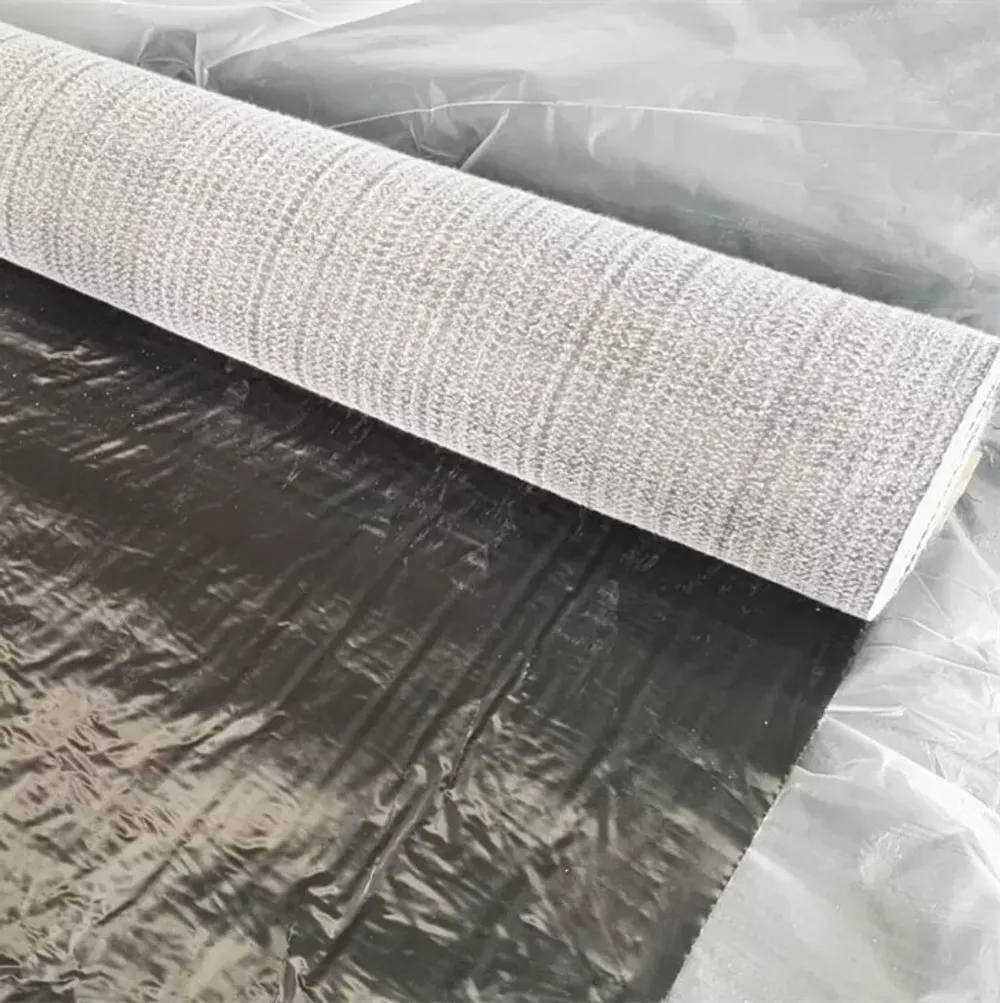
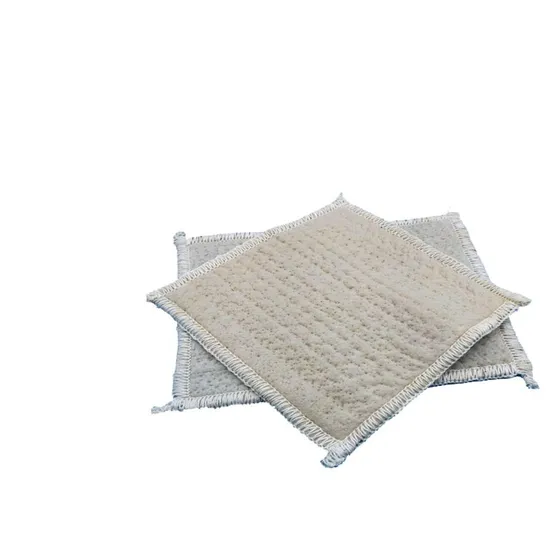
A PE-laminated GCL — sometimes called a geofilm GCL or laminated geosynthetic clay liner — is a reinforced geosynthetic clay liner with a polyethylene film bonded to one face. It starts as a layer of sodium bentonite encapsulated between a nonwoven and a woven polypropylene geotextile, needle-punched together; a PE membrane is then laminated on one side. The needle-punched bentonite gives the self-sealing, low-permeability behaviour of a standard GCL, while the laminated PE film adds an extra impermeable layer for maximum performance across a wide range of field conditions.
Why laminate a PE film to the GCL
The integrated matrix of bentonite and needle-punched fibres provides high shear strength and lets the liner keep low permeability even under adverse installation conditions, while the laminated polyethylene face supplies a positive geomembrane-style barrier and high internal shear strength for steep-slope applications. This combination makes the PE-laminated GCL well suited to landfill caps and base seals, dams and dikes, water containment, structural waterproofing, secondary containment, mining and tunnels — anywhere a single GCL or a single film would be marginal on its own.
How the laminated geosynthetic clay liner is built
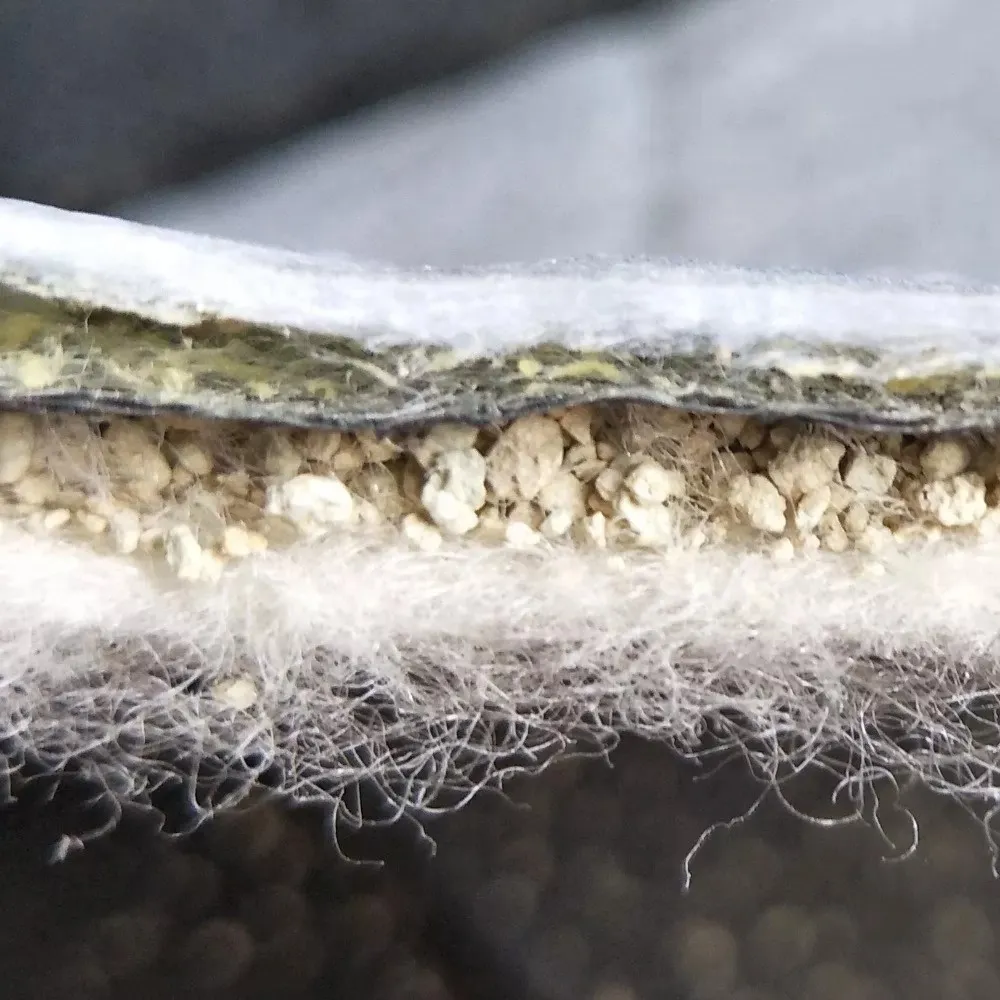
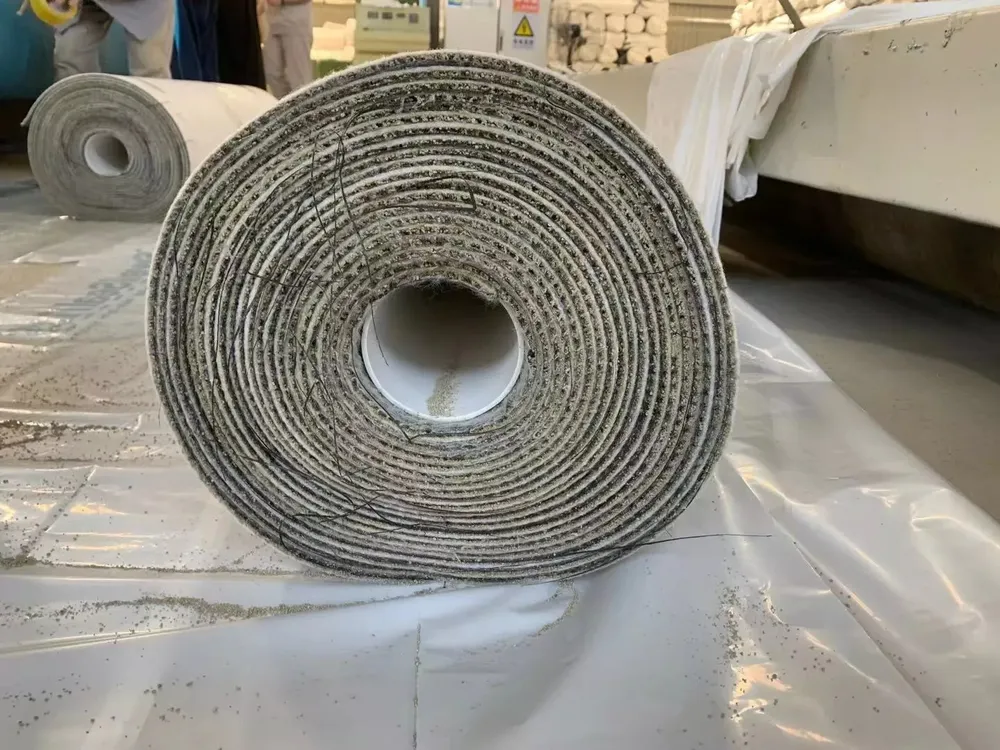
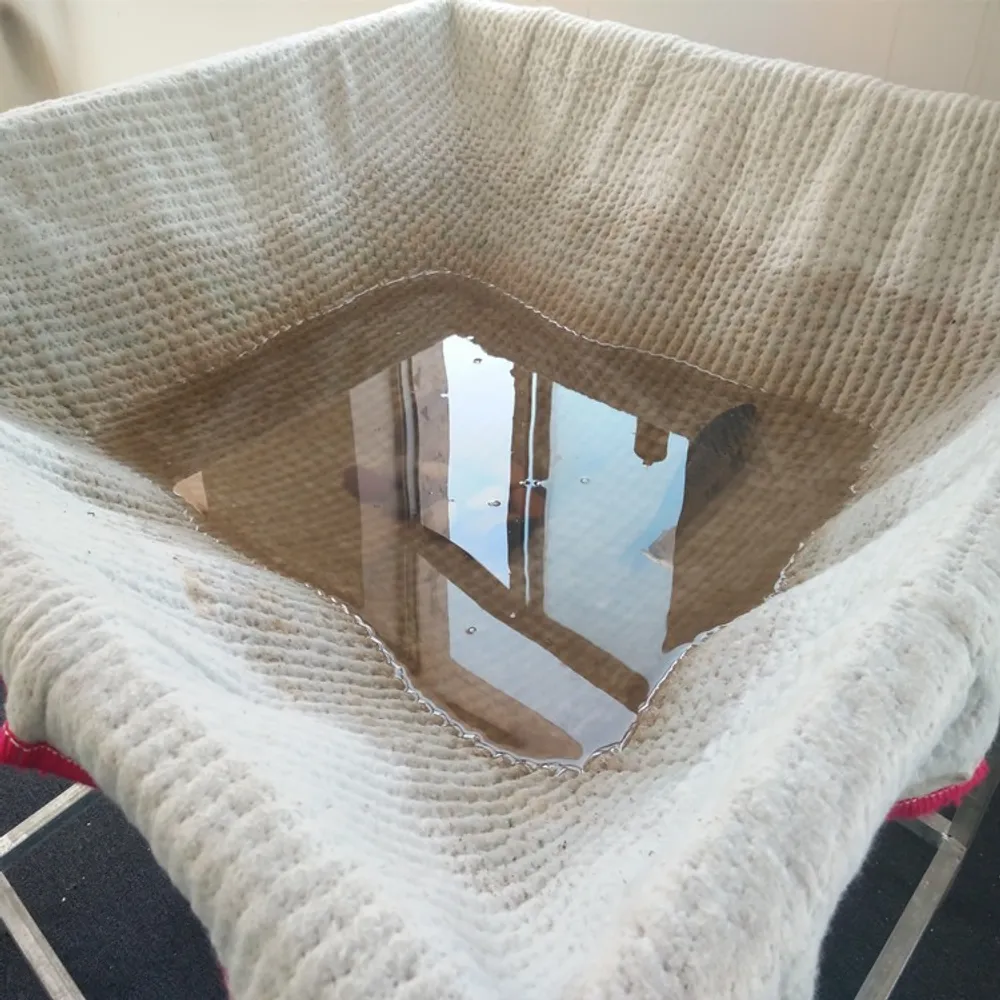
The geofilm GCL is a layered composite. At its core a band of sodium bentonite granules is held between a nonwoven and a woven polypropylene geotextile, and the whole sandwich is needle-punched so that fibres are pulled through the bentonite to lock the layers together — this is what gives a reinforced GCL its high internal shear strength. A polyethylene film is then laminated to one face. In service the bentonite swells on contact with water and self-seals around penetrations and overlaps, while the laminated PE film stops the bentonite from drying out or being eroded and acts as a positive geomembrane-style barrier in its own right.
Geofilm GCL on steep slopes and aggressive sites
Two features make the PE-laminated GCL suited to demanding containment. First, the needle-punched matrix delivers high internal shear strength, so the liner resists sliding on steep slopes such as landfill side-walls and lined embankments where an unreinforced clay liner could fail. Second, the laminated polyethylene face gives a continuous impermeable layer that resists aggressive leachates, hydrocarbons and ion exchange better than exposed bentonite alone. Together they let the geofilm GCL keep low permeability under adverse installation and field conditions where a single GCL, or a single film, would be marginal.
Specifications and related liners
The bentonite and geotextile properties of this laminated GCL follow the GRI-GCL3 standard — the same reinforced sodium-bentonite basis as our standard geosynthetic clay liner — so swell index, bentonite mass and permeability are certified to recognised ASTM methods. The added PE laminate layer (thickness and film properties) is confirmed against the SIGMA data sheet, as there is no single public standard for the laminated film. For a full composite barrier the geofilm GCL is often installed beneath an HDPE geomembrane, where the self-sealing bentonite backs up any geomembrane defect; where a film is not required, the un-laminated geosynthetic clay liner is the lighter option.

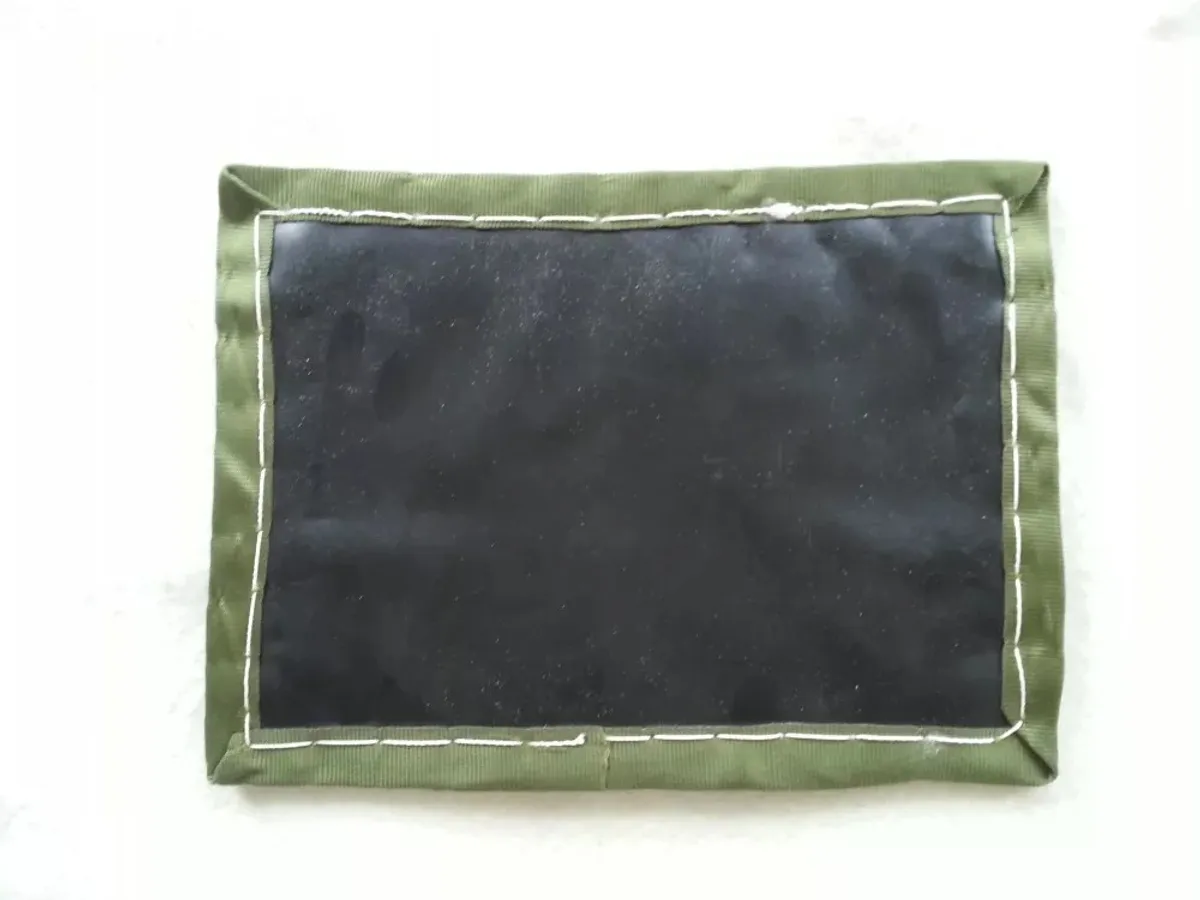
 GCL
GCL