Geocell Gravel Grid
HDPE gravel grid / grass paver — a snap-together cellular grid that confines gravel or grass for permeable, load-bearing driveways, paths and slopes.
- HDPE cellular paver
- Interlocking
- Gravel / grass · permeable
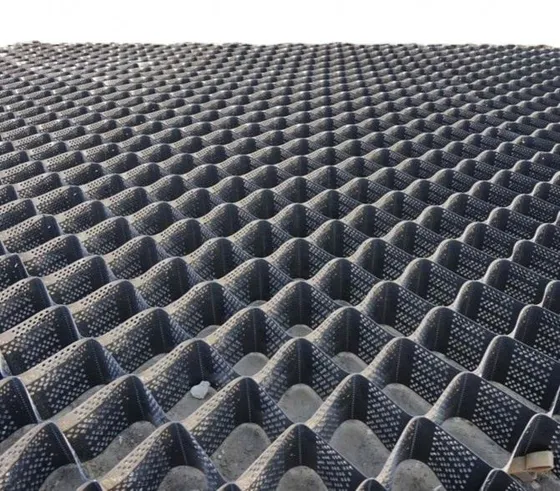
SIGMA smooth HDPE geocell is a three-dimensional, honeycomb-like cellular confinement system manufactured from high density polyethylene strips and ultrasonically welded at the seams. Shipped flat and folded, the geocell expands on site into a rigid web that is filled with soil, gravel, sand or concrete; the cell walls confine the infill laterally and vertically to spread load and lock the surface in place. It is widely used as a geocell for slope protection, as a gravel driveway stabilizer and ground grid, and for roadbed and channel reinforcement.
A geocell — also called a geoweb or ground grid — is a three-dimensional, honeycomb-like structure made from high density polyethylene strips welded together by an ultrasonic technique. Folded flat for shipping, the HDPE geocell expands on the construction site into a web of connected cells. Filled with soil, gravel, sand, cement or other on-site material, the cell walls confine the infill on every side, so the geocell turns loose fill into a stiff, load-bearing composite layer. SIGMA manufactures the smooth HDPE geocell from virgin high density polyethylene for consistent weld strength and durability.
The most common uses are geocell slope protection and gravel surfacing. On embankments the geocell confines topsoil and aggregate so the face resists erosion and sliding — an effective geocell for slope protection and slope stabilization. As a driveway geocell or gravel grid, the HDPE geocell stops gravel from migrating and rutting, giving a firm, stable surface for driveways, parking and access roads. The same cellular confinement supports loads over dykes, retaining walls, pipelines and weak subgrades, and confines river beds, banks, beaches and desert sands.
The smooth HDPE geocell is manufactured from strips of high density polyethylene that are stacked and joined at regular intervals by an ultrasonic welding technique. When the welded stack is pulled apart, the strips open into the familiar honeycomb of connected cells. The seam welds are the load-critical detail: they must hold the cell walls together while the geocell is stretched, staked and loaded, which is why SIGMA welds from virgin high density polyethylene rather than recycled stock for consistent seam-peel strength. The surface of this grade is left smooth, in contrast to the textured perforated HDPE geocell whose walls are roughened and perforated for extra friction and drainage.
Delivered as compact folded panels, the geocell ground grid is pulled open across the prepared subgrade, pinned or staked, and filled with the chosen infill. Because the load is shared across the rigid cell network rather than a single point, the smooth HDPE geocell increases bearing capacity and reduces the granular thickness needed for the same performance. For deeper drainage and confinement of clean aggregate, it is often combined with a gravel grid; finished cell dimensions and strip data are confirmed against the SIGMA data sheet.
Buyers often compare named products such as the basecore geocell, agtec geocell ground grid paver and vevor geo grid against a project-spec HDPE geocell. The geometry is the same three-dimensional cellular confinement; what varies is cell depth, strip thickness and weld spacing. A taller, thicker grade carries heavier traffic and holds steeper slopes, while a shallow grade is enough for a light gravel driveway or a shed base. Rather than picking an off-the-shelf size, SIGMA matches the geocell ground grid stabilizer to the load and slope of the actual job, so you pay for the confinement the site needs and no more.
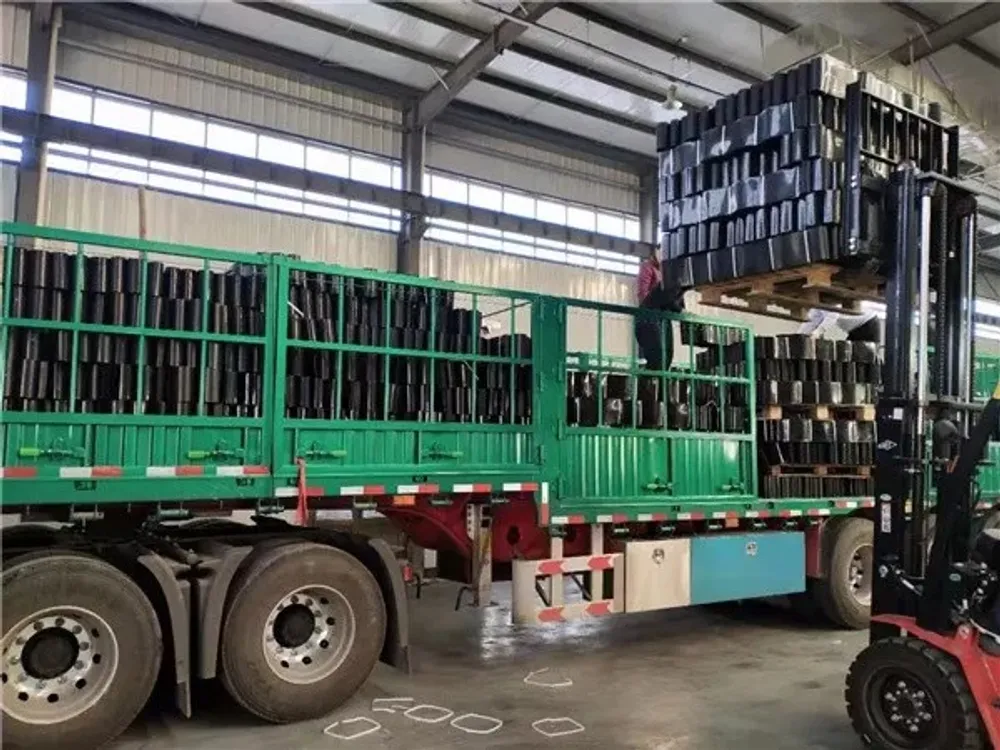
As an HDPE geocell manufacturer, SIGMA controls the polyethylene grade, the cell weld and the panel dimensions in-house, and the geocell folds flat so a large area ships in a small volume — important for export by sea container. Tell us the use (geocell for slope protection, gravel driveway, roadbed or load support), the loads and the area, and we will recommend a cell depth and strip thickness from the SIGMA data sheet and return a price and lead time. For composite jobs the geocell is frequently combined with a gravel grid or laid over a nonwoven geotextile separation layer.

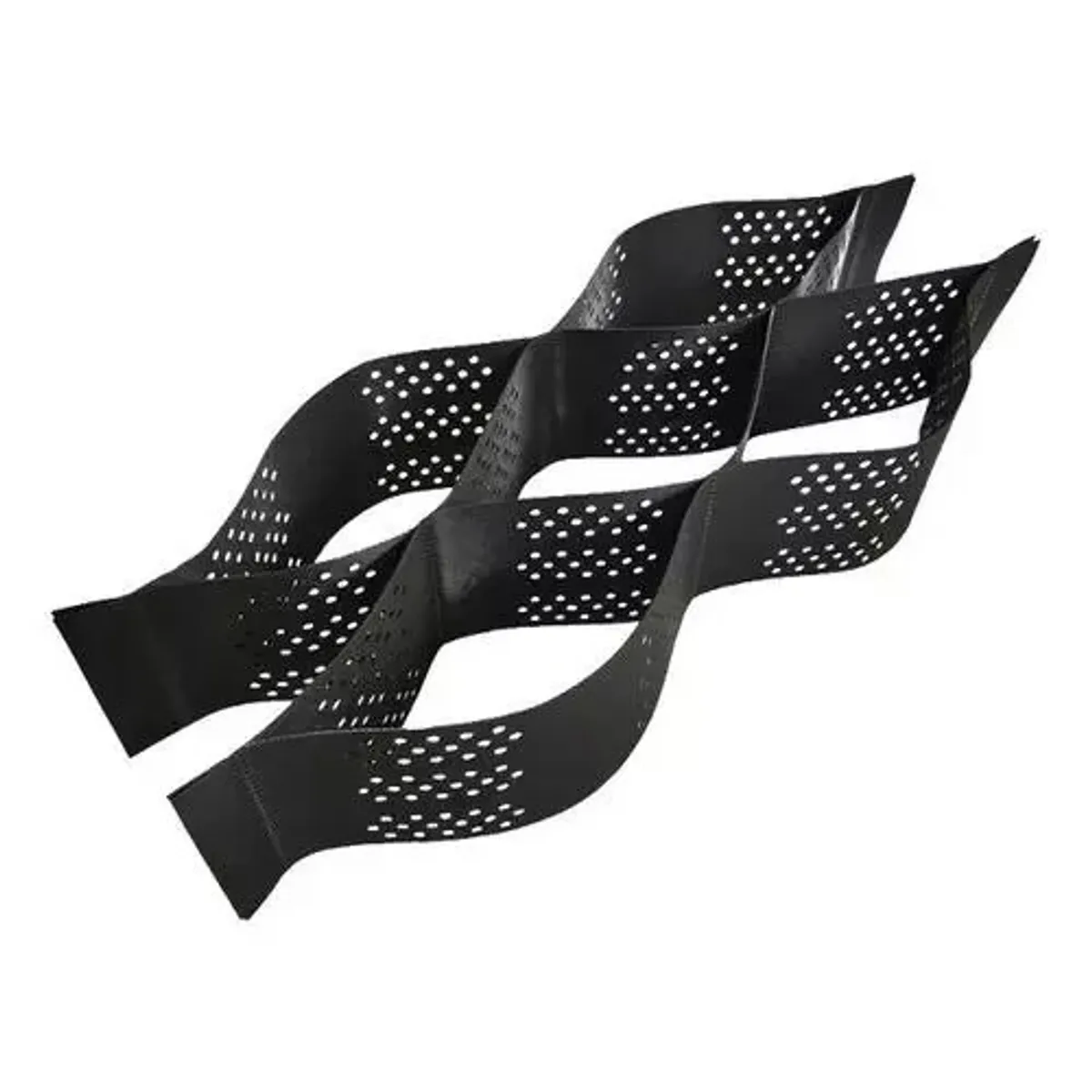
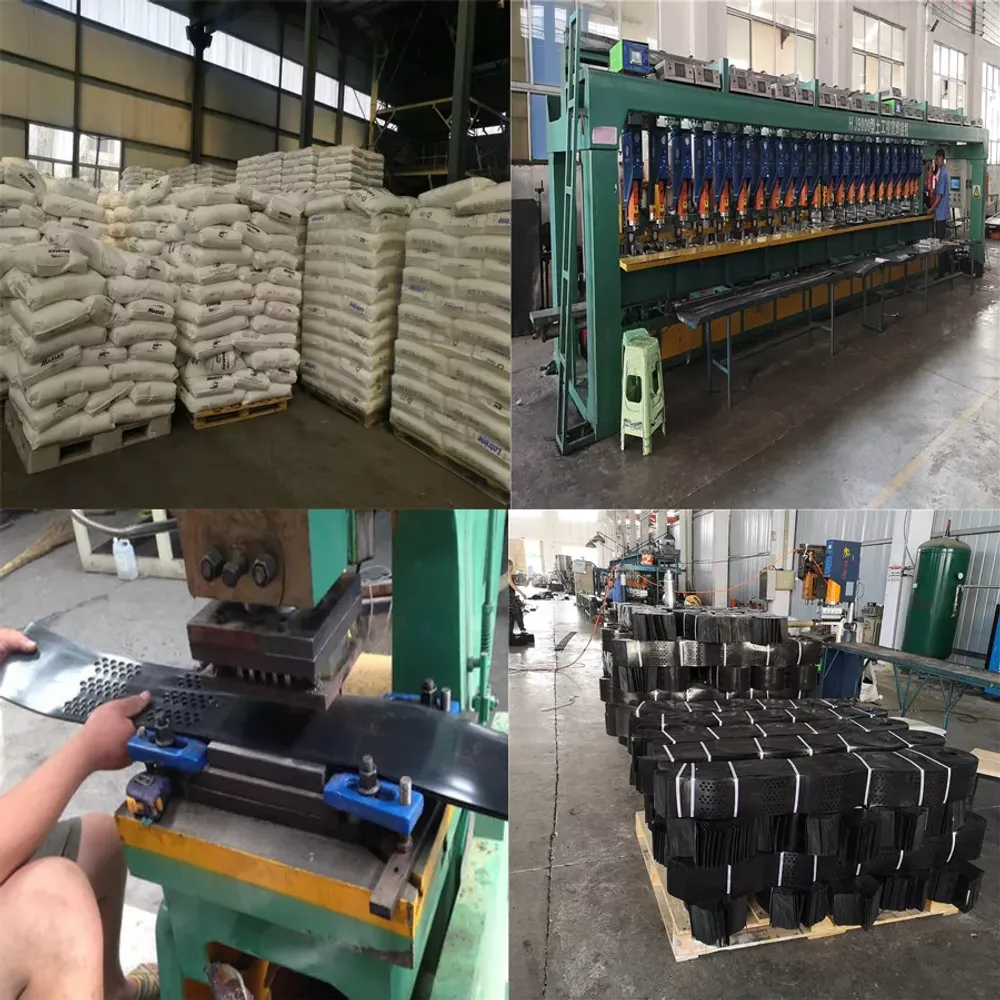
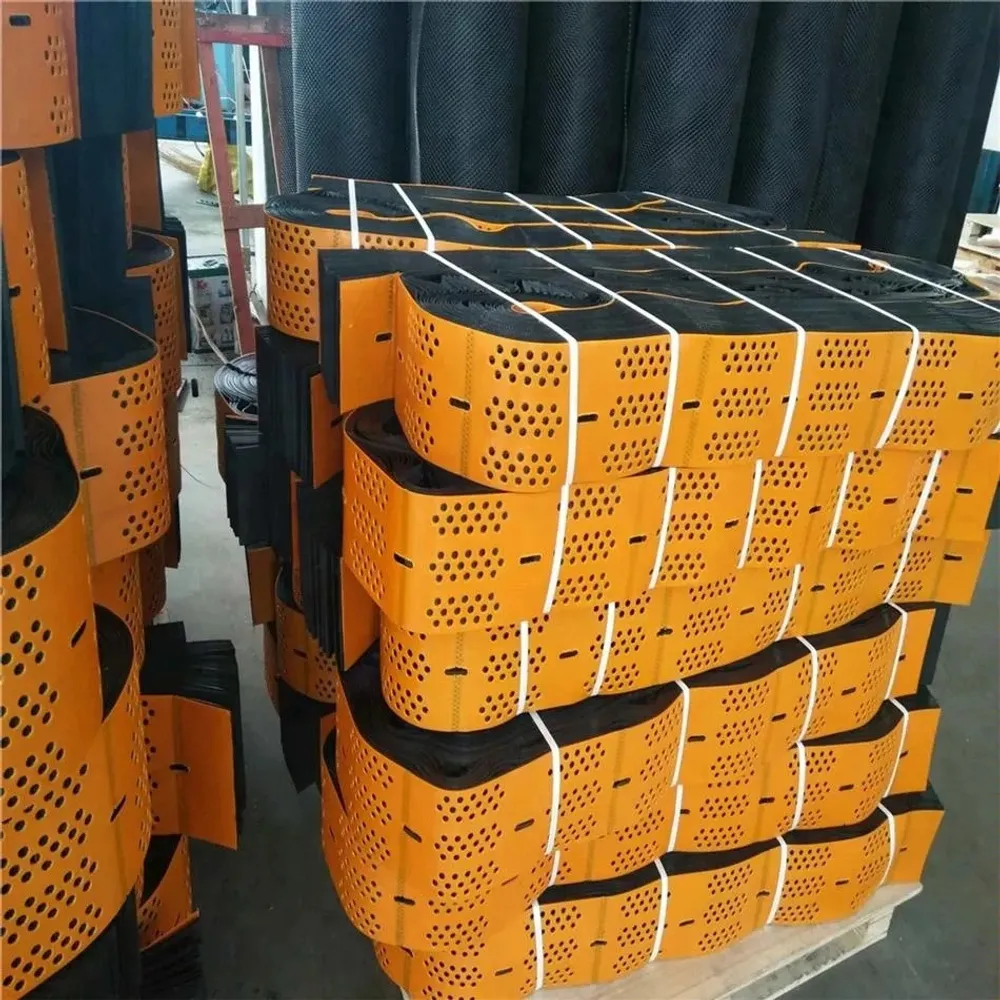
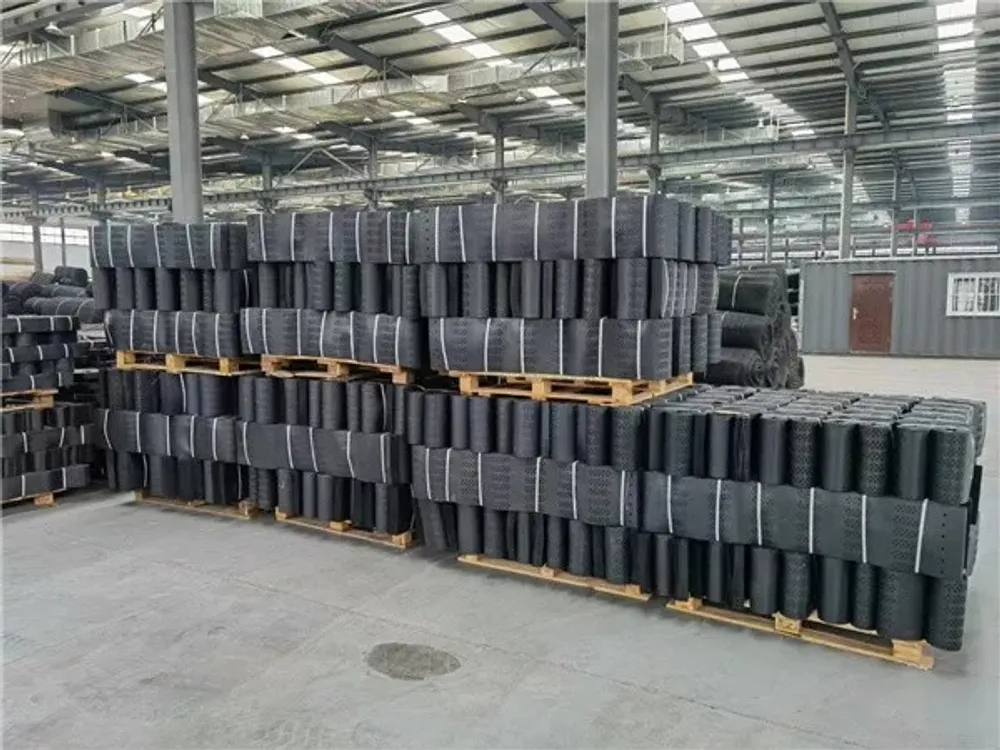
Smooth HDPE Geocell — geometry and material. No single public standard governs HDPE geocell; values pending the SIGMA data sheet.
| Property | Unit | Value |
|---|---|---|
| Material | — | High density polyethylene (HDPE) strip |
| Surface | — | Smooth |
| Cell depth | mm | On request |
| Strip (sheet) thickness | mm | On request |
| Weld (seam) spacing | mm | On request |
| Cell weld (seam peel) strength | N | On request |
| Expanded panel size (L × W) | m | On request |
An HDPE geocell is a three-dimensional ground grid used for slope protection, gravel driveway and parking stabilization, roadbed and railway subgrade reinforcement, and load support over weak ground. Filled with soil, gravel or concrete, the cellular confinement spreads load and locks the surface against rutting and erosion.
A geocell creates a honeycomb of cells that hold the gravel in place, so it cannot spread or rut under traffic. The confined aggregate behaves like a stiff slab, giving a firm, stable gravel driveway surface on a thinner stone layer than loose gravel would need.
Cell depth and strip thickness depend on the application and load — taller cells and thicker strips suit heavier loads and steeper slopes. Tell us the use (slope protection, driveway, roadbed, load support) and the loads involved, and we will recommend a geocell grade from the SIGMA data sheet.
Yes. The geocell ships folded flat, then expands on site over the prepared subgrade, is pinned or staked open, and is filled with the chosen infill — no special equipment is required. This makes it fast to deploy for slope protection, gravel driveways and ground stabilization.
The cells are formed from high density polyethylene strips joined at regular spacings by ultrasonic welding. When the welded stack is stretched, the strips open into a honeycomb of connected cells. The seam welds carry the load that holds the cells together, so SIGMA welds from virgin HDPE for consistent seam-peel strength.
The smooth HDPE geocell can be filled with soil, sand, gravel, crushed aggregate, concrete or topsoil for vegetation, depending on the job. The cell walls confine whatever infill you choose so it cannot spread or rut, turning loose material into a stiff, load-bearing layer.
This grade has smooth, solid cell walls. The textured perforated HDPE geocell has roughened, perforated walls that add friction and lateral drainage for steeper slopes. For most driveways, load support and gentler slopes the smooth geocell is the economical choice; see the textured perforated grade for demanding revetments.
Yes — SIGMA manufactures the HDPE geocell in-house, controlling the polyethylene grade, the cell weld and the panel size. Minimum order depends on the cell depth and panel dimensions; the geocell folds flat so a large coverage area ships in a small volume. Send your area and use and we will quote the order quantity, price and lead time.
Tell us quantity, destination port, and any questions — we reply within one business day.
Geocell HDPE gravel grid / grass paver — a snap-together cellular grid that confines gravel or grass for permeable, load-bearing driveways, paths and slopes.
Geocell Textured perforated HDPE geocell — a 3D honeycomb ground grid with textured, perforated cell walls for extra friction and drainage. Welded, custom-sized.
Geomembrane Smooth HDPE geomembrane liner to GRI-GM13 — an impermeable high density polyethylene pond liner for landfill, water and containment, 0.75–3.0 mm.